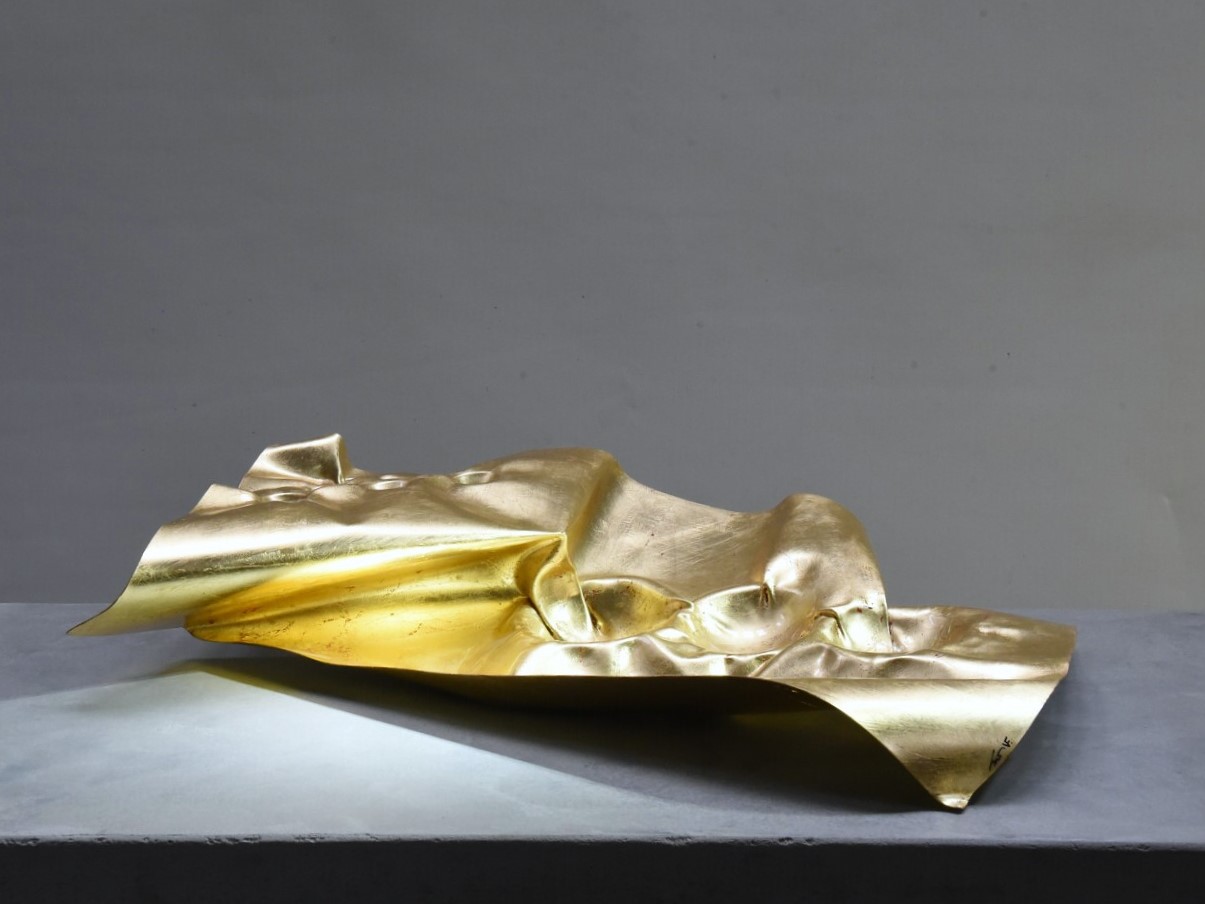
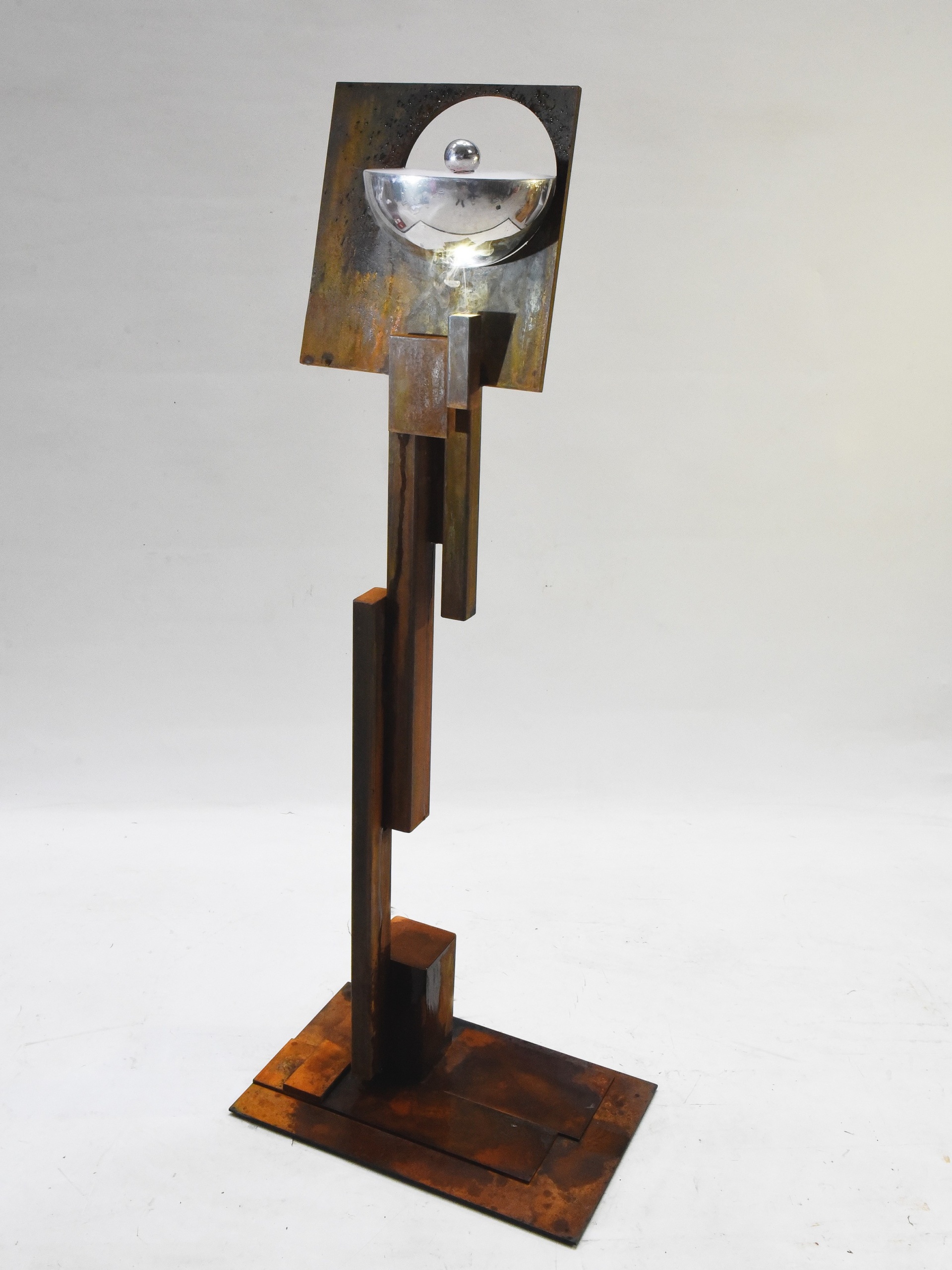
The gilded surface translates the idea of ambrosia into a material experience.
. Gold here does not have to mean only luxury; it receives light differently than common metal, suppressing the mundanity of the base and creating the impression of something removed from the everyday world. The material thus becomes a carrier of meaning, not just a surface finish.
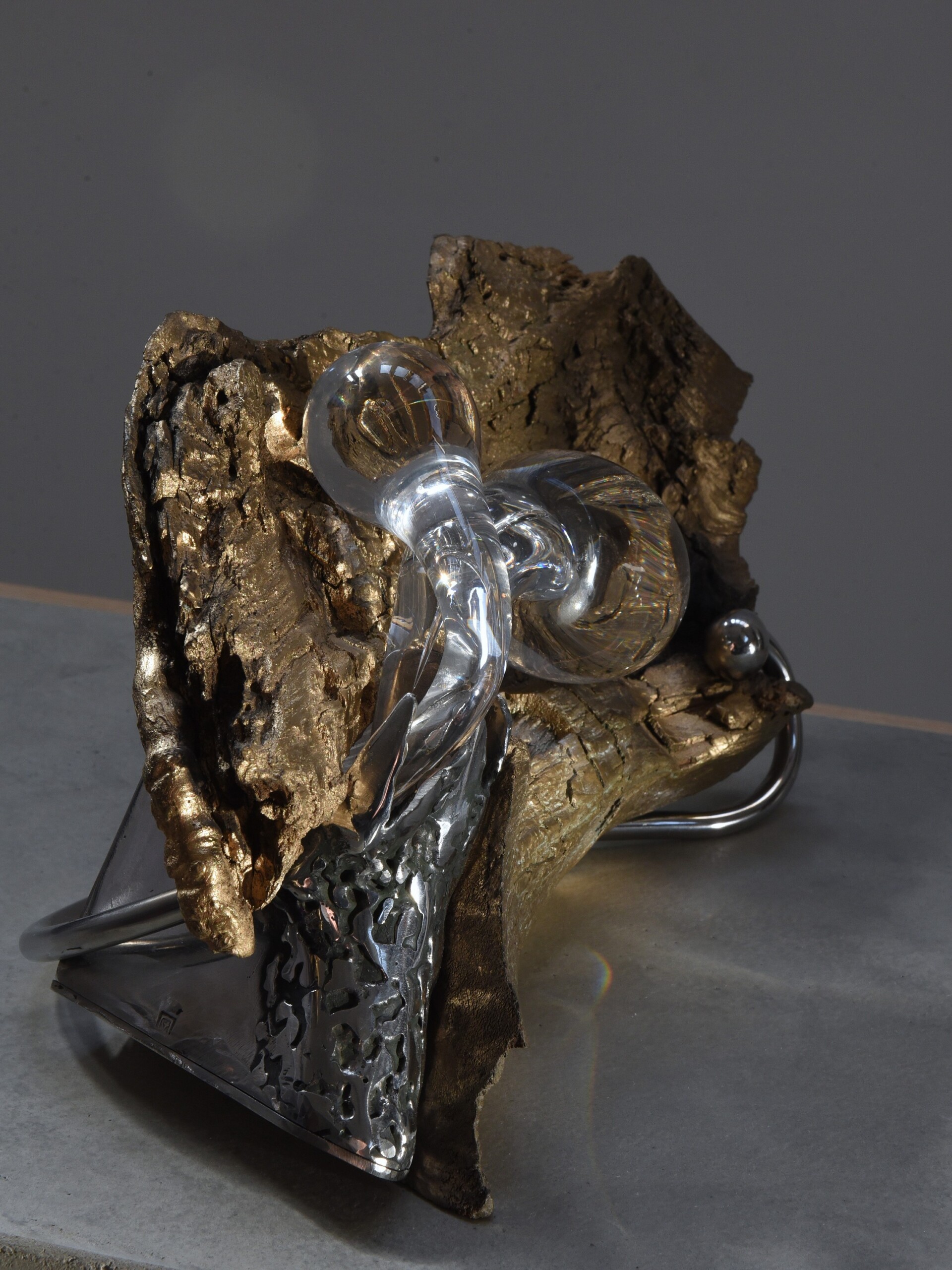
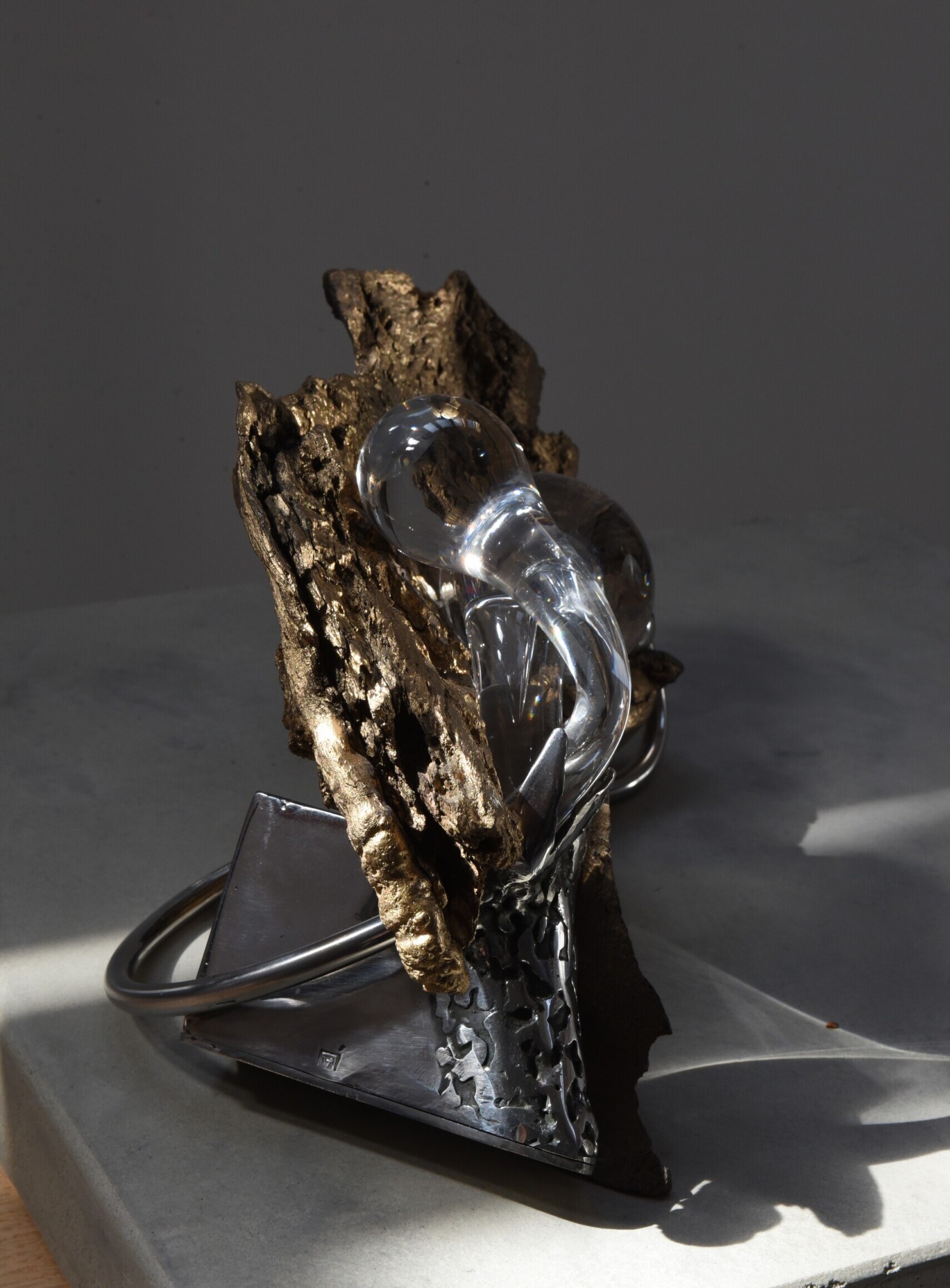
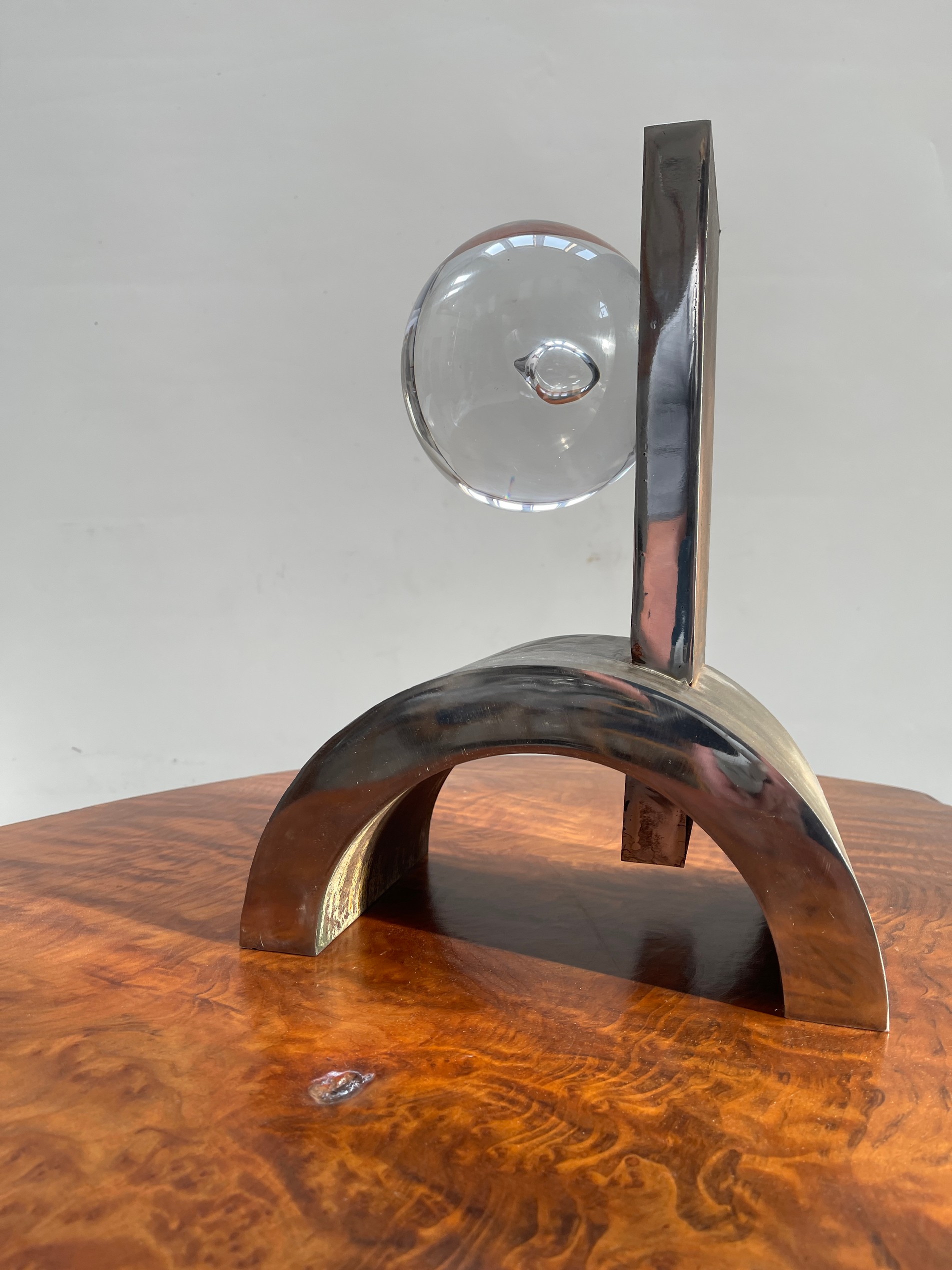
This is precisely why Ambrozie is important for understanding Frič’s signature style: the artist does not return to a single thematic cycle through a single medium, but chooses a means according to the character of a specific idea. Sometimes it is light and crystal, other times metal, gold, water, or a functional object.
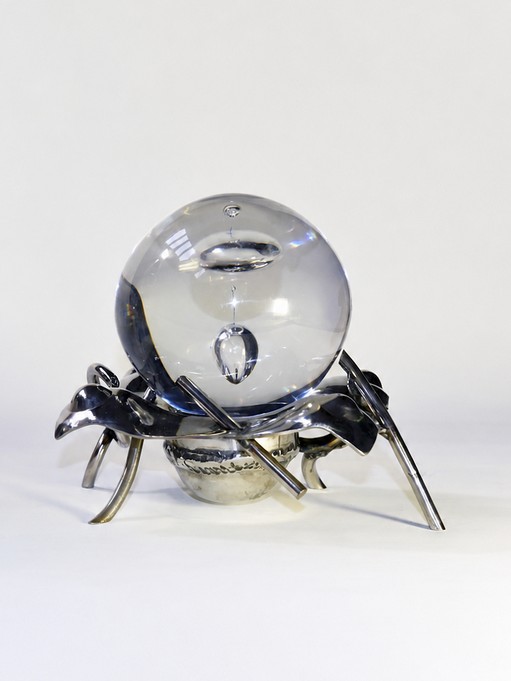
It therefore creates a natural connection with the Bowl of Hebe. Ambrozie represents the divine food, while Hebe is associated with its serving. These are not two illustrations of the same story, but two different artistic responses—an autonomous object and applied design. The Greek inspiration thus turns into a network of relationships and simultaneously reveals the breadth of the artist’s method of portrayal. The impulse remains common, but the form changes according to the meaning it is intended to carry.
It is precisely this variability of the medium while maintaining a sculptural foundation that is one of the features of Vilém Frič’s subsequent creative stages.



 "/>
 "/>
 "/>
 "/>
 "/>
 "/>